


Neuro-Muscular Labs (NML) is a collaborative neuroscience research collective located within the Roy Blunt NextGen Precision Health building at the University of Missouri. Our laboratories integrate expertise in molecular biology, cellular neuroscience, electrophysiology, advanced imaging, rehabilitation science and translational medicine to study diseases affecting the nervous and muscular systems.
Our research spans a broad range of neuromuscular, neurodevelopmental and neurodegenerative disorders, including amyotrophic lateral sclerosis (ALS), Charcot-Marie-Tooth disease (CMT), myotonic dystrophy (DM), myasthenia gravis (MG), sarcopenia and disorders impacting cognition, learning and memory. Across these conditions, we investigate how dysfunction within nerves, myelin, motor neurons, muscles and synapses drives disease progression and disability.
To address these questions, our teams utilize advanced experimental approaches including super-resolution microscopy, quantitative electrophysiology, molecular profiling, human biospecimen analysis, behavioral phenotyping and preclinical disease models. We also focus on translational therapeutic development, including precision medicine strategies.
A defining strength of NML is our highly collaborative and interdisciplinary environment. By sharing expertise, technologies and scientific perspectives across laboratories, we accelerate discovery while training the next generation of neuroscientists and physician-scientists committed to improving outcomes for individuals living with neurological and neuromuscular disease.

Advanced Imaging

Functional Physiology

Cellular Disease Modeling

Precision Therapeutics

W. David Arnold, MD
Professor and NextGen Executive Director
Translational Neuromuscular Physiology

Smita Saxena, PhD
Professor
Neuronal and Circuit Vulnerability in Disease
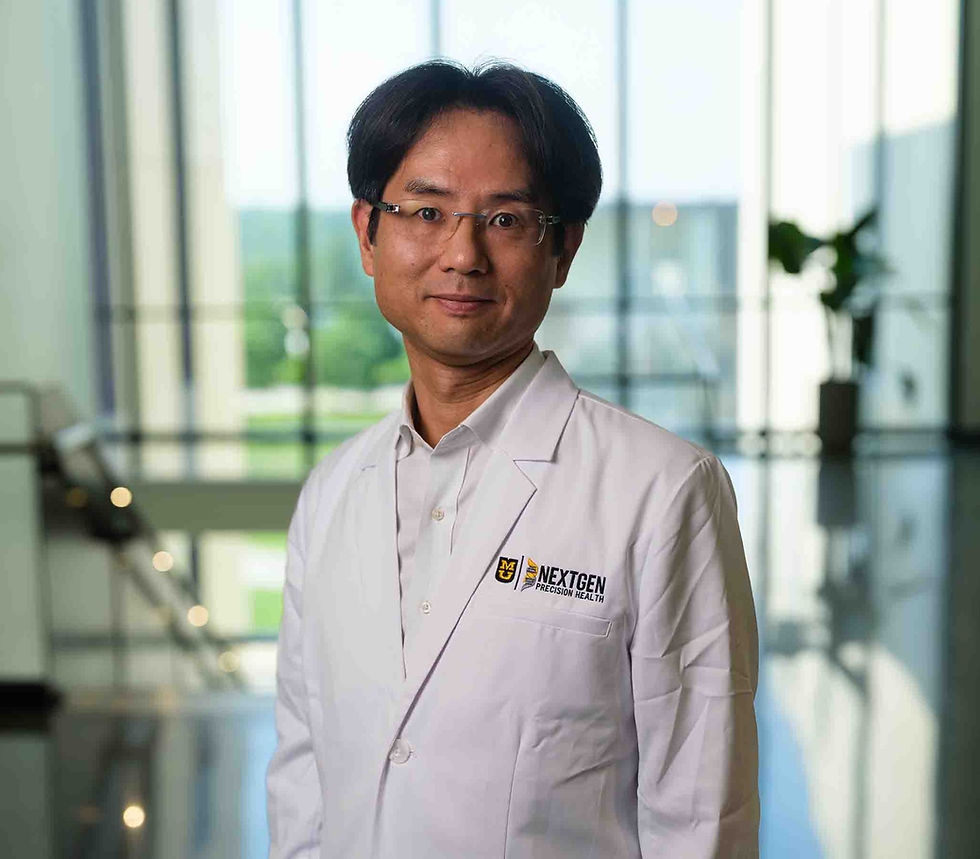
Hiroshi Nishimune, PhD
Professor
NMJ Development and Degeneration

Ryan Castoro, DO
Assistant Professor
Proprioception and Peripheral Nerve Aging

Bornali Kundu, MD, PhD
Assistant Professor
Memory Networks and Brain Stimulation
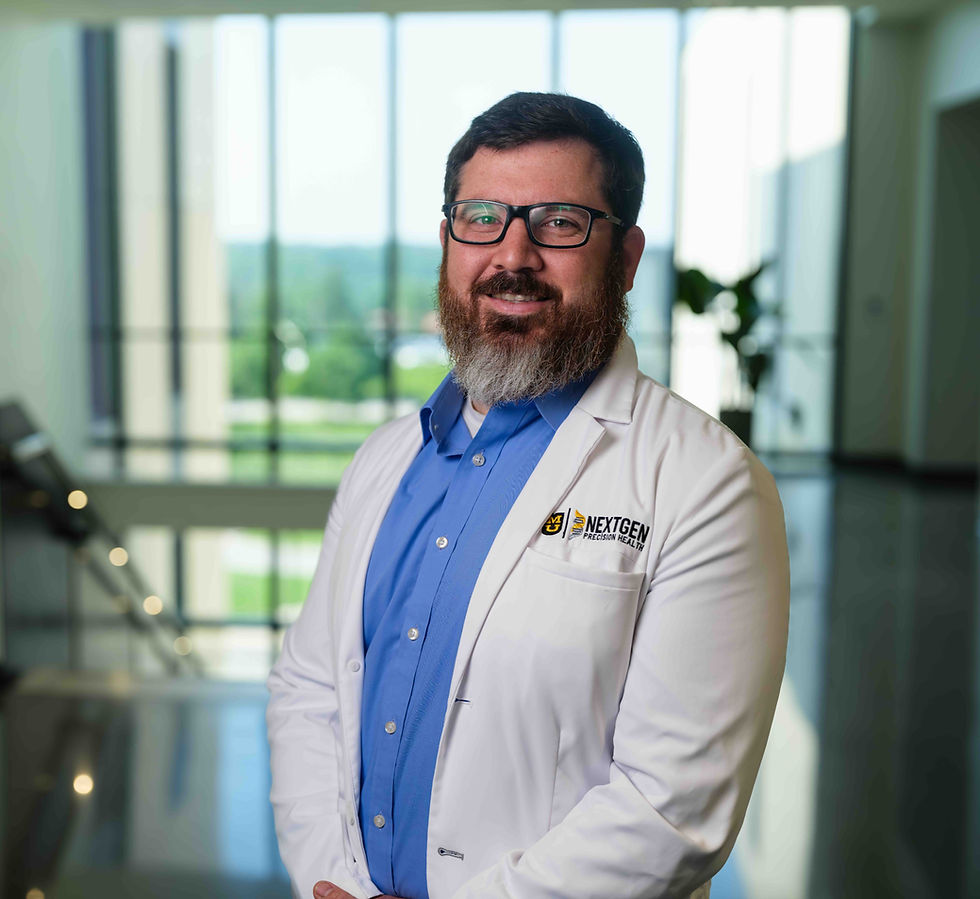
Curtis Nutter, PhD
Assistant Professor
RNA Regulation in Neuromuscular Disease

Kathryn Moss, PhD
Assistant Professor
Dysmyelinating Neuropathy Mechanisms

Andrea Sierra Delgado, MD
Assistant Research Professor
Gene Therapy for Rare Neurological Disease

Kristina Kelly, DPT
Assistant Research Professor
Weakness and Fatigue in Aging and Disease


Provisional Patent Filed for Therapeutic Strategy
News & Media
Apr 6, 2026
A provisional patent was filed by the laboratories of Dr. Arnold and Dr. Castoro for translational strategies targeting age-related functional decline.


Thermosensory Deficits Across Neuropathy Models
Publications, Trainee Highlights
Mar 1, 2026
Research from the laboratory of Dr. Castoro, led by Dr. Vaibhav Oberoi and in collaboration with Dr. Arnold, Dr. Moss and Dr. Saxena, was published in the Journal of the Peripheral Nervous System: “Behavioral thermoceptive responses and morphologic correlates in mouse models of CMT1A, HNPP, and aging”


_edited.jpg)


